
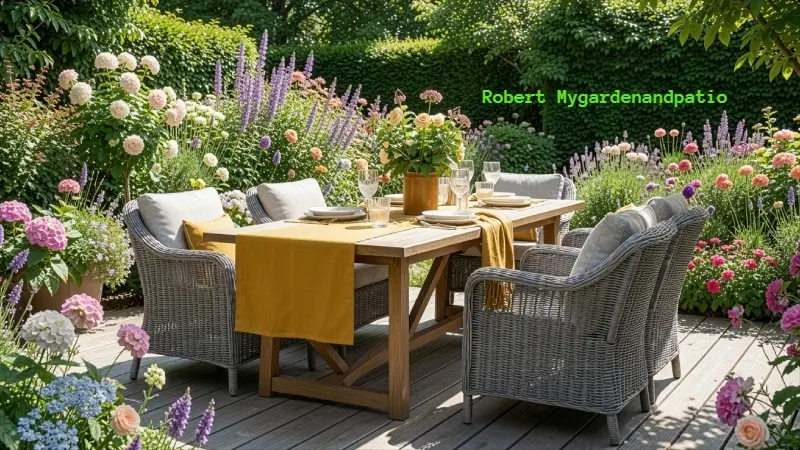
Most American backyards end up underused. A plain concrete slab. A grill that only gets pulled out on the Fourth of July. A few mismatched chairs that have seen better days. But it doesn’t have to stay that way—and improving it doesn’t mean hiring a contractor or spending a fortune.
Robert from MyGardenAndPatio has spent years documenting real outdoor makeovers across the United States: compact city patios in Philadelphia, heat-heavy yards in Arizona, and damp Pacific Northwest gardens that still feel inviting and functional. Across all of them, one thing stands out—spaces that actually get used aren’t built on big budgets or dramatic overhauls but on a few thoughtful choices made in the right order.
This guide breaks down 10 practical ideas covering layout, planting, furniture, lighting, shade, privacy, and upkeep. Take what fits your space, skip what doesn’t. With the right approach, your outdoor area can become genuinely enjoyable before summer ends.
Tip 1: Define How You’ll Actually Use the Space
Before buying anything, get clear on what you want to do in your backyard. Write it down. Will you be eating outside most nights? Gardening on weekends? Letting kids and pets run around? Or just sitting out in the morning with coffee?
Those answers shape every decision that follows—what kind of flooring makes sense, how big your furniture should be, where plants go, and what type of lighting you’ll need. A space built for regular outdoor dinners looks very different from one designed for raised garden beds or playtime.
Skipping this step is usually where things go wrong. When there’s no clear purpose, backyards end up as a mix of random ideas—some seating, a few plants, maybe a grill—none of which really work together or get used the way they should.
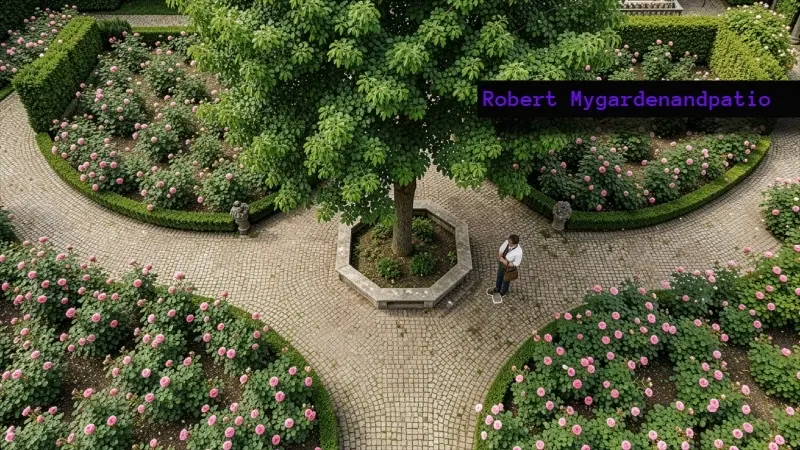
Tip 2: Create Distinct Zones Instead of One Open Space
A backyard that’s just one big open area often feels undefined and underwhelming—more like a parking lot than a living space. The key is to break it into clear, intentional zones so each area has a purpose.
You can do this in several ways depending on your budget and setup:
-
Changing the surface material (for example, using pavers in one area and gravel in another) helps separate dining from lounging spaces.
-
Low hedges or plant borders can subtly divide sections while adding privacy.
-
Adding a raised deck or a slight step-down creates natural visual separation and depth.
-
Simply arranging furniture into grouped “rooms” works well for renters or low-budget setups.
-
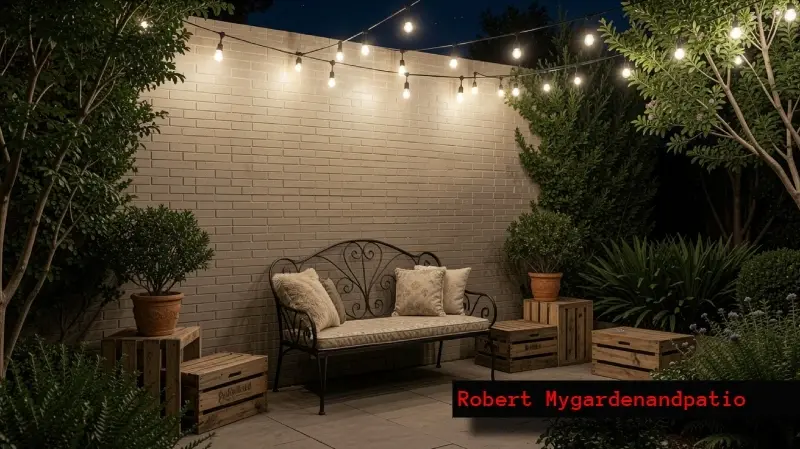
Overhead string lights can also define an evening gathering area without any construction.
The goal is that anyone stepping into the yard can instantly understand its layout—where to sit, where to walk, and where each activity is meant to happen.
Tip 3: Match Your Plants to Your Local Climate and Site Conditions
Before you buy any plants, make sure they’re actually suited to where you live. A good starting point is the USDA Plant Hardiness Zone Map, which is free to use online. Every plant sold in the U.S. is labeled with a zone range, so you can quickly check whether it will survive in your area.
But hardiness zones are only part of the picture. You also need to look at how much sunlight your specific yard gets each day, how well the soil drains, and how often the area can realistically be watered.
Good planting decisions depend on matching the plant to the exact conditions of the spot—not just your general region. That’s why many gardening resources, including MyGarden plant guides, focus on region-specific suggestions such as low-maintenance flowering plants, native ground covers, and edible garden options tailored to different parts of the U.S.
When plants are chosen for the right environment, they require less upkeep, grow more reliably, and make the entire yard easier to maintain.
Tip 4: Choose Outdoor Furniture That Will Still Look Good Years From Now
Buying the cheapest outdoor furniture often ends up being more expensive in the long run. Sun exposure fades fabrics and cushions, moisture can loosen joints, and seasonal temperature swings may crack finishes or weaken frames. Replacing low-cost sets every few years adds up quickly compared to investing in durable pieces once.
Different materials perform differently depending on climate and care needs:
-
Teak holds up in almost any environment and can last decades, though it benefits from occasional oiling.
-
Powder-coated aluminum is lightweight, weather-resistant, and requires very little maintenance.
-
Recycled HDPE plastic is extremely durable, even in harsh conditions, and doesn’t need upkeep.
-
Wrought iron is sturdy and long-lasting but works best in drier climates where rust is less of a concern.
-
Resin wicker is more budget-friendly and works well in milder weather, though it has a shorter lifespan.
The general rule is simple: if a furniture set seems unusually cheap, it’s probably not built to handle long-term outdoor use.
Tip 5: Is Your Outdoor Lighting Doing a Real Job?
A backyard without lighting essentially shuts down at sunset—wasting months of usable outdoor time in most parts of the U.S.
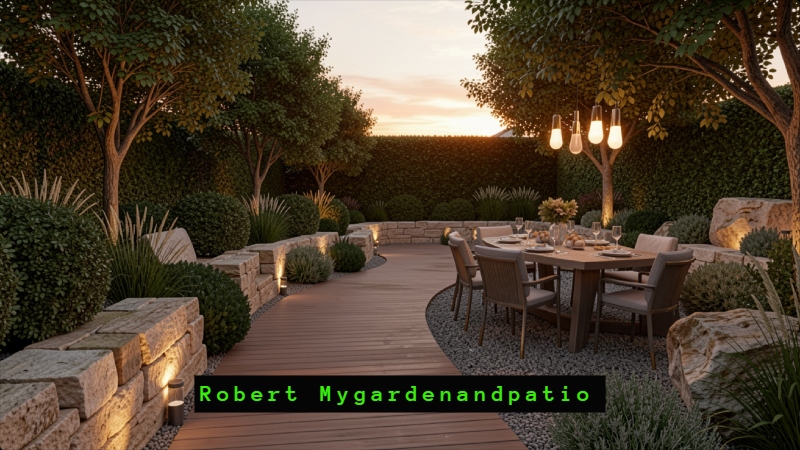
Good outdoor lighting isn’t about brightness alone; it’s about purpose. The most effective setups use layers:
-
Ambient lighting like string lights or post lanterns to create overall glow and atmosphere
-
Task lighting focused where you need it, such as above a grill or dining table
-
Accent lighting to highlight features like trees, pathways, or garden elements
When lighting is layered thoughtfully, the yard becomes usable after dark instead of disappearing with the sunset.
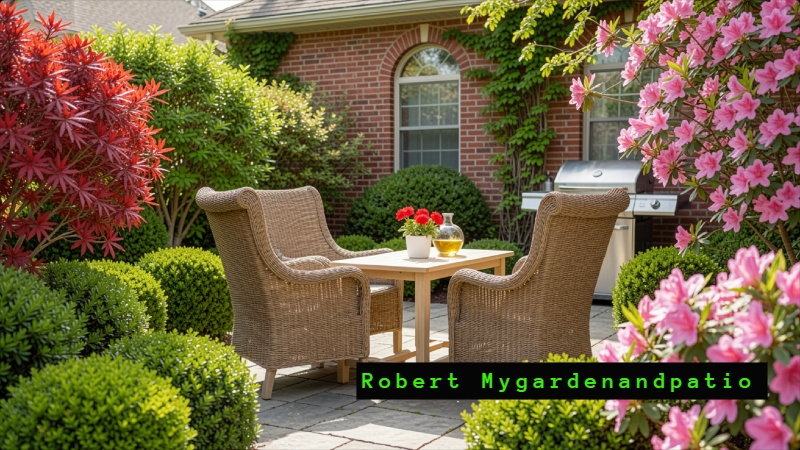
Tip 6: How Can You Create Privacy Without Going Through Permits?
In many U.S. cities, building a fence requires permits and can involve long approval times. A faster and often more attractive alternative is using living privacy screens made from fast-growing plants.
These plants can create natural barriers that block views while also adding greenery and texture to your yard:
-
Arborvitae ‘Green Giant’ grows quickly and can form tall, dense screens in cooler and moderate climates
-
Clumping bamboo provides rapid vertical coverage and works well in warmer regions and coastal areas
-
Leyland cypress is known for fast, tall growth and is commonly used in the Southeast and Mid-Atlantic
-
Sky Pencil holly offers narrow, upright coverage that fits smaller spaces and many U.S. regions
-
Karl Foerster ornamental grass grows in vertical clumps and provides lighter, decorative screening nationwide
With proper spacing and planting design, these options can establish effective privacy in just a few growing seasons. Unlike fences, they evolve over time, blending functionality with a softer, more natural look in the landscape.
Tip 7: Have You Checked Your Soil First?
Soil quality is often overlooked in outdoor design, but it plays a major role in how well anything grows. Even carefully chosen plants will struggle if the ground beneath them is compacted, low in nutrients, or poorly balanced. Lawns may stay thin, and vegetable beds can produce weak yields.
A simple soil test can prevent a lot of guesswork. Many U.S. cooperative extension services offer testing for around $15–$25, providing key details like pH levels and the amounts of nitrogen, phosphorus, potassium, and organic matter present in your soil.
The important step is acting on that information early. Improving soil conditions before planting is far more effective than trying to fix problems after everything is already in the ground. Different soil types—such as heavy clay, sandy, or compacted suburban soil—each require specific amendments, and addressing them upfront sets the foundation for a healthier, more productive garden.
Tip 8: How Can You Reduce Outdoor Maintenance from the Start?
The easiest way to cut down on yard work is to design for low maintenance right from the beginning. A few smart choices can dramatically reduce watering, weeding, and general upkeep.
-
Adding a 3-inch layer of mulch to planting beds helps suppress weeds, retain moisture, and can significantly reduce how often you need to water
-
Choosing native plants suited to your region means they naturally handle local climate conditions, requiring less irrigation and fewer inputs like fertilizer
-
Installing a drip irrigation system with a timer delivers water directly to the root zone, improving efficiency and keeping plant leaves dry to reduce disease risk
-
Using permeable surfaces such as gravel or permeable pavers allows rainwater to soak into the ground naturally, reducing runoff and minimizing maintenance around edges
When these strategies are combined, they create an outdoor space that stays healthier with far less ongoing effort.
Tip 9: Why Is Shade Always the First Thing to Think About?
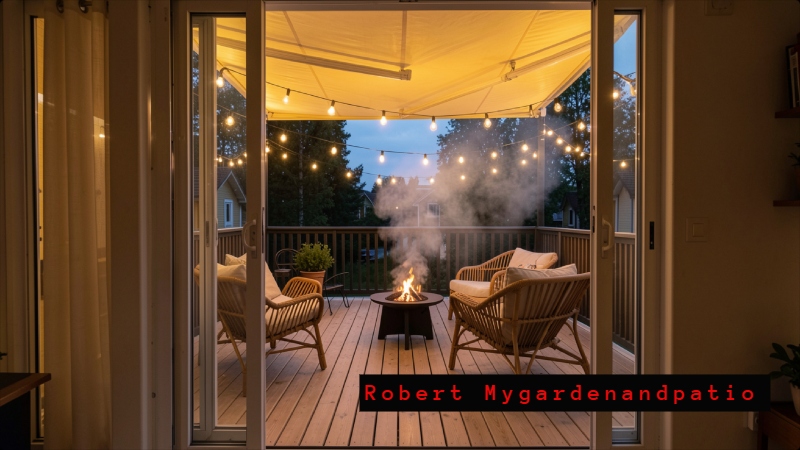
In many parts of the U.S., a backyard without shade becomes nearly unusable during peak summer hours. From late morning to mid-afternoon, especially between May and September, direct sun can make patios in cities like Atlanta, Dallas, or Phoenix too hot to comfortably use.
That’s why shade should be planned before almost anything else in an outdoor space. There are several effective options depending on budget and long-term goals:
-
A cantilever umbrella offers flexible, movable shade at a relatively low cost
-
Shade sails provide a modern, affordable solution for covering larger areas
-
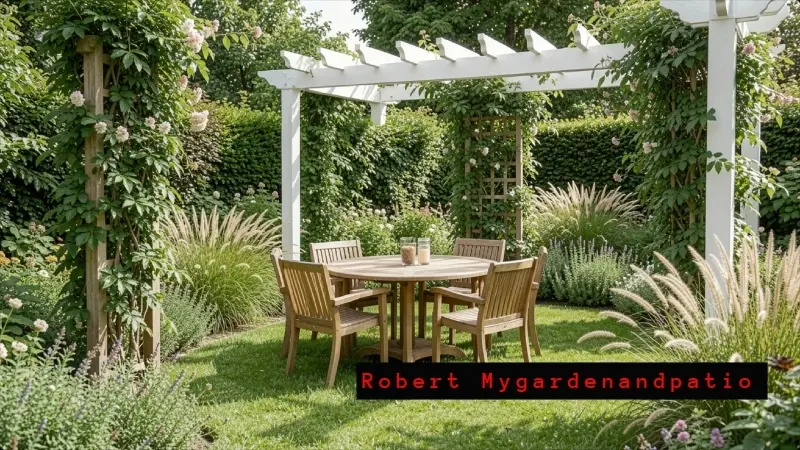
A DIY pergola can create a semi-permanent shaded structure with moderate investment
-
A professionally built pergola offers long-lasting, architectural-quality coverage
-
Planting a fast-growing shade tree is the most permanent solution, though it takes time to mature
Each option varies in cost and lifespan, but all serve the same purpose: making outdoor areas usable during the hottest parts of the day. Proper shade planning ensures your space doesn’t sit empty exactly when you want to enjoy it most.
Tip 10: Does Your Outdoor Space Flow Naturally From Your Home?
The most successful outdoor spaces don’t feel separate from the house—they feel like an extension of it. When the transition is smooth, the backyard becomes part of everyday living rather than a space you only use occasionally.
One way to achieve this is by loosely echoing your home’s interior style outside. For example, if your kitchen features warm wood finishes, bringing similar tones into outdoor furniture or decking helps create visual continuity without needing an exact match.
It also helps to design with visibility in mind. Keeping a clear line of sight from main indoor living areas to your primary outdoor seating space strengthens the connection between inside and outside and encourages more frequent use.
When interior and exterior design feel related, the entire home experience becomes more cohesive and inviting.
Frequently Asked Questions
Q: What’s the right order for improving an outdoor space?
A: Start with structure—layout, surfaces, and shade come first. After that, add furniture and lighting. Plants should be chosen last so they can adapt to the fixed elements rather than forcing everything else to shift around them.
Q: How much does a typical backyard update cost in the U.S.?
A: A basic do-it-yourself refresh usually falls between $2,000 and $5,000. If you’re hiring professionals for design and installation, including hardscaping, costs often start around $10,000 and can reach $25,000 or more depending on size, materials, and location.
Q: What change makes the biggest immediate difference in a backyard?
A: Lighting tends to have the most noticeable impact for the lowest cost. It instantly improves atmosphere and extends the usable hours of the space well into the evening.
Q: Do pergolas require a permit?
A: In many areas, yes—especially if the structure is attached to the house or exceeds certain size limits. Requirements vary by local building codes, so it’s important to check regulations before purchasing materials or starting construction.
Q: Which plants survive well in deep shade?
A: Reliable shade-tolerant options include hostas, astilbe, coral bells, and ferns. For shrubs, oakleaf hydrangea and Japanese pieris are also strong choices in low-light conditions across much of the U.S.
Start Simple
Begin with how you actually want to use the space. Define zones, choose plants that fit your climate, invest in durable furniture, and prioritize shade. Once those fundamentals are in place, everything else becomes much easier to build around.
If you’re unsure where to begin, focus on the single biggest weakness in your yard and address that first.