
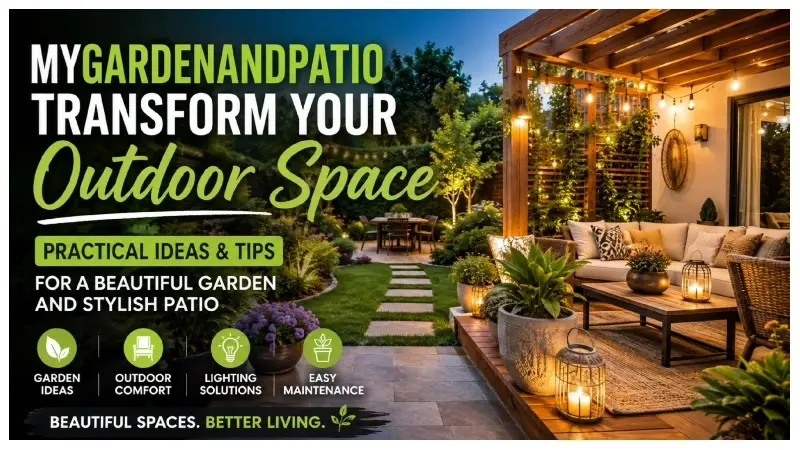
Outdoor areas have become an important extension of modern homes. Whether you have a large backyard, a compact patio, or a small balcony, a thoughtfully designed outdoor space can improve comfort, increase property value, and create a place where family and friends enjoy spending time together. MyGardenAndPatio is a concept that inspires homeowners to make the most of every outdoor corner by combining functionality, beauty, and personal style.
Many people believe creating an attractive garden requires a large budget or professional experience. In reality, even simple improvements can transform an ordinary space into a relaxing retreat. The key is to understand your needs, plan carefully, and choose elements that complement your home and lifestyle.
This guide explores practical ideas, planning strategies, and maintenance tips to help you design an outdoor area that remains attractive throughout the year. Whether you want a peaceful garden for relaxation or a stylish patio for entertaining guests, the following sections provide inspiration and useful advice for every homeowner.
Quick Comparison: Planning Your Outdoor Space
| Feature | Small Outdoor Area | Large Outdoor Area |
|---|---|---|
| Furniture | Foldable or multifunctional pieces | Full seating and dining arrangements |
| Plants | Vertical gardens and containers | Flower beds, shrubs, and trees |
| Lighting | Solar wall lights | Landscape and pathway lighting |
| Decoration | Compact decorative accessories | Multiple decorative zones |
| Maintenance | Low effort | Moderate to high effort |
Why Outdoor Spaces Matter More Than Ever
People are spending more time at home than ever before, making outdoor living increasingly valuable. A well-planned garden or patio offers far more than visual appeal. It creates an environment where families can relax, children can play safely, and guests feel welcome.
An inviting outdoor area also contributes to everyday well-being. Spending time surrounded by greenery can encourage relaxation after a busy day while providing a comfortable setting for reading, gardening, or enjoying meals outdoors.
Beyond comfort, an attractive exterior improves curb appeal. Homes with organized gardens and functional patios often leave a stronger impression on visitors and potential buyers. Small upgrades like fresh plants, comfortable seating, and tasteful lighting can make a noticeable difference without requiring major renovations.
Start With a Practical Outdoor Plan
Every successful outdoor project begins with careful planning. Before purchasing furniture or planting flowers, evaluate the available space and decide how you want to use it.
Consider questions such as:
- Will the space be used for family gatherings?
- Do you need an outdoor dining area?
- Would you like a peaceful reading corner?
- Is gardening your primary interest?
- Do children or pets need room to play?
Answering these questions helps create a layout that supports your daily lifestyle instead of simply following design trends.
Sketching a basic layout on paper is also helpful. It allows you to visualize seating areas, walkways, decorative features, and planting zones before making any purchases. This simple step reduces costly mistakes and creates a balanced outdoor design.
Choose the Right Theme for Your Garden
A consistent design theme makes an outdoor area feel organized and welcoming. Rather than mixing unrelated styles, select one direction and build around it.
Some popular themes include:
Modern Minimalist
Clean lines, neutral colors, simple furniture, and carefully selected plants create a sophisticated appearance. This style works especially well in urban homes where space is limited.
Natural Garden
Native flowers, lush greenery, wooden features, and stone pathways create a peaceful environment inspired by nature. It requires thoughtful plant selection but rewards homeowners with a timeless landscape.
Rustic Outdoor Living
Wooden benches, vintage pots, climbing plants, and warm lighting create a relaxed atmosphere that feels both comfortable and inviting.
Choosing one style from the beginning makes future decorating decisions easier while creating visual harmony throughout the outdoor area.
Make Comfort a Priority
Beautiful gardens should also be comfortable. Outdoor furniture should support the way you plan to use the space while remaining durable enough to handle changing weather conditions.
Weather-resistant chairs, supportive cushions, and practical tables allow your outdoor area to function as an additional living space. Instead of purchasing many decorative items, focus on quality furniture that combines comfort with durability.
Adding shade through umbrellas, pergolas, or climbing plants also improves comfort during warmer months and encourages longer outdoor gatherings.
Shape an Outdoor Space Around Everyday Life
A garden should support the way you live instead of simply looking attractive in photographs. Before adding furniture or decorative pieces, think about how the area will be used on a normal day. Some families enjoy eating outside, while others want a peaceful place to relax after work. Designing with a purpose makes every part of the space more practical.
Try to leave enough room for comfortable movement between different sections. Walkways should connect seating areas, planting beds, and entrances without making the garden feel crowded. A simple layout often creates a stronger impression than one filled with unnecessary features.
Mix Natural Elements for a Balanced Design
An inviting outdoor setting usually combines different materials instead of relying on only one. Stone pathways, timber furniture, green plants, and decorative gravel work together to produce a landscape with texture and depth.
Balance is important. If one side contains large planters or tall shrubs, the opposite side should include features that create a similar visual weight. This prevents the garden from looking uneven while giving the entire space a calm, organized appearance.
Create Interest With Color and Texture
Color is not limited to flowers alone. Leaves, containers, paving materials, and outdoor fabrics all contribute to the overall appearance.
Choose one or two main colors and repeat them throughout the garden. Neutral shades can make bright flowers stand out, while natural wood tones blend beautifully with green surroundings.
Texture also deserves attention. Broad leaves, fine grasses, smooth stone, and rough timber combine to create visual contrast without making the design feel busy.
Select Furniture That Matches Your Lifestyle
Outdoor furniture should fit your daily routine rather than current trends. A couple that enjoys quiet evenings may only need two comfortable chairs and a compact table, while a larger family could benefit from a spacious dining set with additional seating.
Before making a purchase, consider storage requirements, weather resistance, and maintenance. Furniture that is easy to clean and built with durable materials will continue to look attractive for many seasons.
| Outdoor Need | Recommended Choice |
|---|---|
| Reading or Relaxing | Lounge chair with side table |
| Family Meals | Dining table with multiple chairs |
| Limited Space | Foldable furniture |
| Frequent Guests | Modular seating arrangement |
Make Evenings Feel More Inviting
A garden does not lose its charm after sunset. Gentle lighting can completely change the mood while making the space safer to use.
Rather than placing bright lights everywhere, focus on the areas people use most. Soft illumination beside steps, near entrances, and around seating creates a comfortable environment without overwhelming the surroundings.
Battery-powered lanterns, solar fixtures, and warm LED lights are practical choices because they consume little energy and require minimal maintenance.
Personal Touches Make the Biggest Difference
The most memorable gardens reflect the personality of the people who use them. Instead of filling the space with expensive decorations, include items that have meaning or complement your preferred style.
Handmade planters, painted clay pots, recycled wooden shelves, decorative stones, or a small herb collection can make the area feel welcoming while remaining unique.
Small details often leave a stronger impression than large decorative pieces because they create a space that feels genuine rather than staged.
Think About the Future Before You Plant
Gardens change over time. Plants grow larger, trees provide more shade, and outdoor furniture may be replaced as needs change. Planning for future growth helps avoid unnecessary work later.
Leave enough space between plants, choose flexible layouts, and avoid blocking important pathways. A design that can adapt over the years will remain functional without requiring major changes.
Build Habits That Keep the Space Looking Fresh
An attractive outdoor area is the result of consistency rather than occasional hard work. Spending a few minutes each week observing plants, cleaning surfaces, and adjusting small details is often more effective than waiting for problems to become obvious.
Walk around the garden regularly and notice what has changed. A leaning plant, loose paving stone, or damaged pot is much easier to fix when discovered early. These small actions protect the overall appearance of the space without demanding large amounts of time.
Let Nature Influence Your Decisions
Every outdoor environment behaves differently. Wind direction, rainfall, shade, and sunlight all affect how the area develops throughout the year. Instead of forcing one design idea everywhere, allow these natural conditions to guide your choices.
For example, the brightest part of the garden may be ideal for flowering plants, while a shaded corner can become a comfortable sitting area during warm afternoons. Working with nature usually produces better long-term results than constantly trying to change it.
Improve One Section at a Time
Many homeowners believe an outdoor makeover must happen all at once. In reality, gradual improvements often lead to better decisions because each change can be evaluated before moving to the next step.
A practical order could be:
- Organize the layout.
- Improve the planting areas.
- Add comfortable seating.
- Introduce lighting.
- Finish with decorative details.
This approach prevents unnecessary spending and allows the garden to develop naturally.
Give Every Feature a Purpose
Beautiful landscapes are rarely filled with random decorations. Each object should contribute something useful, whether it provides comfort, attracts wildlife, offers shade, or creates visual interest.
Before adding a new item, ask yourself whether it improves the experience of using the space. If the answer is no, leaving the area open may create a cleaner and more balanced design.
Encourage Wildlife Naturally
A lively outdoor space often attracts birds, butterflies, and helpful insects without requiring special effort. Flowering plants, fresh water, and a variety of greenery create conditions that encourage natural visitors.
Their presence adds movement and sound to the garden, making the environment feel active and connected with nature.
Allow the Design to Grow Over Time
The most enjoyable gardens are rarely finished. They continue to change as plants mature, seasons shift, and personal preferences evolve.
Rather than aiming for immediate perfection, think of the landscape as an ongoing project. Replacing one plant, moving a seating area, or introducing a new feature each year keeps the space interesting while avoiding unnecessary expense.
A Well-Planned Garden Adds Lasting Value
An outdoor area designed with care offers benefits that extend beyond appearance. It creates extra living space, supports relaxation, and makes everyday life more enjoyable.
Visitors usually notice when a garden feels organized, comfortable, and welcoming. Those qualities leave a stronger impression than expensive materials alone, proving that thoughtful planning often matters more than a large budget.
Simple Choices That Deliver Long-Term Results
A successful outdoor space is not defined by expensive furniture or large decorative features. Instead, it reflects thoughtful decisions that continue to work well over time. Choosing durable materials, maintaining healthy plants, and avoiding unnecessary clutter creates an area that remains enjoyable year after year.
Rather than chasing every new design trend, focus on improvements that match your daily routine. A comfortable chair placed in the right location can provide more value than several decorative items that serve no real purpose.
When planning future upgrades, think about how each addition will fit with the existing layout. This approach keeps the design balanced and prevents the space from feeling overcrowded.
Practical Ideas That Make Everyday Living Better
Outdoor areas often become the most enjoyable part of a home when they support simple daily activities. A quiet corner for reading, a shaded spot for morning coffee, or a table for family dinners can transform an ordinary garden into a place people genuinely use.
Small improvements can also make outdoor living more convenient.
- Keep frequently used tools in a weatherproof storage box.
- Choose seating that is easy to move when needed.
- Add containers with herbs near the kitchen entrance.
- Leave open pathways for comfortable movement.
- Refresh decorative items only when they no longer suit the space.
These thoughtful adjustments improve both comfort and functionality without requiring a complete redesign.
Why Careful Planning Always Pays Off
Many outdoor projects become expensive because homeowners rush into buying products before creating a clear plan. Taking time to measure the available space, identify priorities, and decide how each area will be used usually leads to better results.
A well-organized project also reduces waste. Instead of replacing furniture or moving plants later, everything is positioned with a purpose from the beginning.
Good planning saves money, simplifies maintenance, and helps every element work together naturally.
Final Thoughts
Creating an outdoor space is not about following strict design rules. It is about building an environment that suits your lifestyle and continues to bring enjoyment throughout the year. Every improvement, whether large or small, should make the area more comfortable, practical, and welcoming.
MyGardenAndPatio represents more than attractive landscaping. It encourages homeowners to think carefully about how outdoor spaces can improve everyday life. By making gradual improvements, selecting long-lasting materials, and caring for the landscape consistently, anyone can create an outdoor setting that remains beautiful in every season.
Remember that the best outdoor spaces are those that evolve naturally. As your needs change, your garden can grow with you, becoming a place where relaxation, family time, and memorable moments come together.
Frequently Asked Questions
1. How can I improve a small outdoor space without spending a lot?
Start with simple changes such as adding container plants, repainting existing furniture, improving lighting, and keeping the area organized. Small upgrades often create the biggest visual impact.
2. Which plants are easiest to maintain?
Native plants, evergreen shrubs, ornamental grasses, and drought-tolerant varieties usually require less attention because they adapt well to local conditions.
3. How often should outdoor furniture be cleaned?
Light cleaning every few weeks and a deeper clean at the beginning and end of each season helps preserve both appearance and durability.
4. Is outdoor lighting only for decoration?
No. Proper lighting improves safety, highlights important features, and allows outdoor spaces to remain functional after sunset.
5. What is the first step before starting a garden makeover?
Create a simple plan that identifies how the space will be used, where important features will be placed, and what improvements should be completed first.